Larkhall Park Garden Care and Gardeners for Communal Greens
Communal greens can look effortless when they are well kept. In reality, they depend on steady, thoughtful work: mowing that is timed properly, hedges that are shaped without being overcut, paths kept clear, planting that survives busy footfall, and tidy edges that make a shared space feel cared for rather than forgotten. That is exactly where Larkhall Park garden care and gardeners for communal greens become valuable. Not just for appearance, but for day-to-day use, safety, and the simple pride people feel when a green space is looked after properly.
If you are responsible for a residents' garden, a shared lawn, a courtyard green, or a managed open space near Larkhall Park, this guide will walk you through what good care looks like, how it works, what to watch for, and how to choose practical services that actually suit communal areas. Let's face it: a communal green is not a private garden. It has more users, more opinions, more wear and tear, and usually more pressure to stay neat all year round.
For readers comparing service levels or planning a longer-term maintenance schedule, it can also help to review a broader services overview and see how regular care differs from one-off work such as a garden clearance or a more structured garden maintenance plan.
Table of Contents
- Why Larkhall Park Garden Care and Gardeners for Communal Greens Matters
- How Larkhall Park Garden Care and Gardeners for Communal Greens Works
- Key Benefits and Practical Advantages
- Who This Is For and When It Makes Sense
- Step-by-Step Guidance
- Expert Tips for Better Results
- Common Mistakes to Avoid
- Tools, Resources and Recommendations
- Law, Compliance, Standards, or Best Practice
- Options, Methods, or Comparison Table
- Case Study or Real-World Example
- Practical Checklist
- Conclusion
- Frequently Asked Questions
Why Larkhall Park Garden Care and Gardeners for Communal Greens Matters
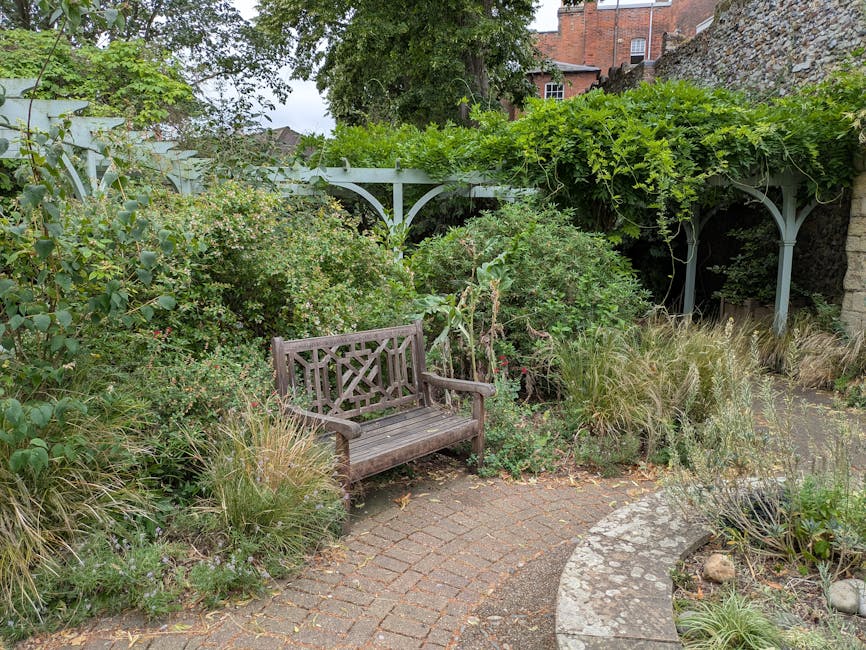
Communal greens do more than fill space between buildings. They soften hard surroundings, offer somewhere to pause, and can make a residential or shared area feel calmer in a very London way. But they only do that if someone is actively looking after them. An unmanaged green starts to show it quickly: patchy grass, brambles creeping into corners, bins blown about, uneven borders, and a general sense that nobody quite owns the place.
That matters because shared green space affects how residents, visitors, and passers-by behave. A tidy, healthy communal area tends to be used more respectfully. People are less likely to dump waste, less likely to cut across soft planting, and more likely to feel the space is worth keeping nice. Small thing, maybe. But in practice, it adds up.
There is also a safety side. Overgrown shrubs can hide litter or trip hazards. Long grass can make drainage problems harder to spot. Trees and larger shrubs need regular checking so they do not become a nuisance, and sometimes they need more specialist attention through tree lopping and removal or controlled pruning. No one wants a communal green to become the place where the path disappears under weeds by late summer. Nobody. Not really.
Good garden care also supports consistency. Communal areas are used by different people at different times, so they need a maintenance rhythm rather than occasional rescue jobs. That rhythm usually includes mowing, edging, hedge trimming, seasonal tidy-ups, checking plant health, litter removal, and keeping access routes clear. For hedge and boundary work, hedge trimming is often one of the most visible tasks because it directly affects how open, safe, and welcoming the space feels.
Expert summary: communal greens work best when they are maintained as living shared assets, not treated like a once-a-year tidy-up. Regular attention prevents bigger problems, keeps costs steadier, and helps the space feel genuinely usable.
How Larkhall Park Garden Care and Gardeners for Communal Greens Works
In practical terms, this type of service usually begins with a site review. A gardener or maintenance team looks at the size of the green, the surface condition, how much foot traffic it gets, what is planted there, and where the pain points are. Is the lawn thin in one corner? Are the hedges blocking light? Is there a strip of ground that turns muddy every time it rains? These are the details that shape the work plan.
From there, the work is normally split into routine and occasional tasks. Routine tasks keep the communal green presentable week to week or fortnight to fortnight. Occasional tasks handle the heavier, less frequent jobs: clearance, seasonal reshaping, planting refreshes, or repairs after weather damage. If the space needs redesigning, that may fall into landscape gardening or broader landscaping work rather than basic maintenance.
A sensible maintenance approach for communal greens usually looks something like this:
- Inspect the site and note access issues, hazards, and priority areas.
- Agree the maintenance frequency and the tasks included.
- Carry out regular mowing, edging, weeding, and pruning.
- Remove green waste and any litter safely and promptly.
- Check for damage, disease, or wear that needs follow-up.
- Review the condition of the space seasonally and adjust the plan.
That sounds straightforward, and mostly it is. The challenge is consistency. Shared spaces can slip between the cracks because everyone assumes someone else is monitoring them. A decent gardener for communal greens helps close that gap with planned visits and practical reporting, so issues are dealt with before they become obvious to everyone else.
In some communal settings, especially where budgets are tight or the site has been neglected for a while, a reset may be needed first. That could mean clearing accumulated debris, cutting back growth, and removing waste before routine maintenance can begin. A proper garden clearance can make a big difference there, especially if the area has been left to drift for a season or two.
Key Benefits and Practical Advantages
There are plenty of reasons residents and property managers keep investing in communal green care, but a few stand out every time.
- Better appearance: neat grass, managed hedges, and weed control instantly improve first impressions.
- Improved usability: people can walk, sit, or pass through the space without feeling they are negotiating an obstacle course.
- Lower long-term cost pressure: steady upkeep is usually easier than letting the area decline and then funding a big rescue job.
- Healthier planting: regular maintenance helps plants recover from stress, poor weather, and heavy use.
- Reduced nuisance: better trimming and tidying can help with overshadowing, blocked paths, and growth encroaching on boundaries.
- Safety and reassurance: a maintained space makes hazards easier to spot and deal with.
There is also a subtle but important social benefit. A well-kept communal green tends to encourage better behaviour. You will notice fewer awkward "somebody ought to deal with this" conversations. The place simply feels looked after, and that changes how people treat it. It is not magic. Just human nature doing its thing.
For many sites, regular mowing is the single task that makes the biggest visible difference. That is why lawn mowing is so often part of the core schedule for communal greens, especially where grass is central to the character of the space.
Who This Is For and When It Makes Sense
This type of service is relevant to a surprisingly wide group of people. If you are responsible for a shared garden or open green, you may already know the signs that maintenance needs tightening up. If not, they are usually pretty obvious after a while.
It makes sense for:
- resident management groups and leaseholder committees
- housing associations and property managers
- caretakers or site supervisors with limited gardening cover
- landlords with communal frontage or rear shared space
- schools, care settings, and smaller community sites with outdoor greens
- anyone managing a shared garden area that needs dependable upkeep
It also makes sense when the site begins to feel hard to manage internally. Maybe one person used to do the basics, but they have stepped back. Maybe volunteers are willing but inconsistent. Or maybe the site has become too large or too regularly used for ad hoc care to be enough. Truth be told, a communal green usually becomes more expensive to ignore than to maintain.
If your site includes decorative structures, seating platforms, or timber features, you may need occasional checks alongside routine care. In some cases, that can involve decking services where surface safety or repairs are part of the picture. Not every green has decking, of course, but the mixed-use communal site is fairly common around London.
Step-by-Step Guidance
If you are planning garden care for a communal green near Larkhall Park, the best approach is practical and sequence-based. Do the right things in the right order. That sounds basic, but a lot of headaches come from skipping the early steps.
1. Define what the space is for
Start with use. Is it mostly visual? Is it a pass-through route? Do children play there? Do residents sit out in summer? The answer changes how the area should be maintained. A decorative green can tolerate a different level of wear than a daily-use shared lawn.
2. Walk the site properly
Look at the space in daylight and from the angles people actually use. Check where water sits after rain, where footfall is heaviest, and whether shrubs block visibility. One quick walk is rarely enough. Two is better. And yes, it can feel a bit old-fashioned, but you learn a lot from standing still and looking.
3. Separate routine work from seasonal work
Routine work includes mowing, edging, deadheading, weeding, and litter checks. Seasonal work includes cutbacks, planting refreshes, leaf clearance, and soil improvement. Keeping them separate stops everything from becoming a vague "general tidy-up" that never quite gets done properly.
4. Set a visit pattern that matches growth
Grass and hedges do not wait politely. Growth peaks change with the weather, shade, and soil conditions. Your schedule should flex around that rather than staying fixed all year because "that's what we always do". A good gardener will adjust frequency when conditions demand it.
5. Agree disposal and waste handling
Green waste, bagged litter, and bulky debris need clear handling. If the site produces regular cuttings, ask how they are collected and whether recycling methods are used where appropriate. For readers concerned with waste responsibility, it is worth looking at a provider's recycling and sustainability approach as part of the decision.
6. Review after the first few visits
Do not assume the plan is perfect straight away. Check whether the grass height is right, whether edging is holding shape, and whether the communal space is staying tidy between visits. Small adjustments early on usually prevent bigger issues later.
Expert Tips for Better Results
After enough years of looking at shared gardens, a few patterns stand out. Not dramatic, just reliable.
- Keep mowing height sensible. Cutting too short can weaken grass, especially in dry spells or shaded areas.
- Don't ignore edges. Crisp edges make a green feel cared for, even when the planting is simple.
- Trim hedges before they become a problem. Overgrown hedges are harder to shape well and can quickly make a space feel enclosed.
- Use planting that can handle shared use. Communal greens need tougher, lower-maintenance choices than a private show garden.
- Plan for access. Shared areas often have parked cars, bin stores, gates, or awkward paths that affect how work is done.
- Keep communication simple. Residents do not need a long technical explanation; they need to know what is being done and when.
A small but useful habit: photograph the site at regular intervals. Nothing fancy. Just a few quick reference shots. They help you judge whether the space is improving or slipping, and they can settle a lot of "it looked better last month" debates without much fuss. Handy, honestly.
Also, if your communal green has mature trees near paths, roofs, or parking areas, build in periodic checks rather than waiting for the next storm to reveal an issue. That is where specialist services such as tree lopping and removal may become necessary, though careful pruning is often all that is needed.
Common Mistakes to Avoid
Shared green spaces are easy to mismanage because the problems build slowly. The good news is that the common mistakes are predictable.
- Waiting until the space looks bad: by then, you are already behind.
- Using the same schedule all year: growth changes with the seasons, shade, and rainfall.
- Ignoring first impressions: a front-facing communal green is doing reputational work every day.
- Overcutting hedges or grass: this can leave the site looking harsh and damage plant health.
- Not defining responsibility: if no one owns the task, no one finishes it.
- Choosing a gardener without communal-space experience: shared areas need different judgement than a private back garden.
- Forgetting waste handling: loose cuttings and debris make even a freshly mown site look untidy.
One less obvious mistake is overcomplicating the plan. Some communal greens do not need elaborate seasonal planting or frequent redesign. They need consistency. A tidy, durable setup often works better than a grand idea that is hard to maintain. Simple can be smart. Quite often it is the smartest thing.
Tools, Resources and Recommendations
You do not need a shed full of specialist kit to maintain a communal green well, but the right tools matter. In most cases, a good maintenance team will use a mix of mowing equipment, hand tools, pruning tools, edging tools, and safe waste-handling gear. The key is not how much kit there is. It is whether the tools match the site.
For decision-makers, useful resources usually include:
- a site map or simple layout sketch
- access instructions for gates, key codes, or entry points
- a seasonal maintenance calendar
- a note of known drainage issues or dead spots
- contact details for the person who approves extra work
- basic records of previous pruning, planting, or repairs
If the communal green sits within a wider managed property, it can help to keep a single point of reference for services, policies, and expectations. That might include the provider's about us page, which helps readers understand who is responsible for the work, and the pricing and quotes information when you are comparing options or planning a budget. That kind of clarity saves time. Always.
For larger or more neglected sites, a phased approach is usually best. First the clearance, then the maintenance. First the reset, then the rhythm. It is a common-sense sequence, but easy to skip when people want quick results.
Law, Compliance, Standards, or Best Practice
Shared green spaces can involve practical responsibilities around access, safety, and waste handling. Exact duties depend on the property type and management structure, so it is sensible to treat this as general best practice rather than a one-size-fits-all legal rulebook.
In UK communal settings, the main expectations are usually straightforward:
- keep paths and access routes reasonably clear
- manage trip hazards, broken branches, and uneven edges promptly
- use safe working methods around residents and the public
- ensure waste and cuttings are handled responsibly
- carry appropriate insurance for the work being undertaken
- communicate before disruptive work where residents may be affected
For a gardener or contractor working in shared space, health and safety should not be treated as paperwork only. It should show up in the way the work is planned. For example, if pruning near public access points, use of equipment and site isolation should be thought through beforehand. If waste is being moved through communal entrances, that should be done carefully, not with a shrug and a hope for the best.
It is also sensible to ask whether the provider has clear policies on safety, complaints, security, and ethical standards. Pages such as health and safety policy, insurance and safety, and complaints procedure can help reassure you that the business takes responsibility seriously. For private information handling, the privacy policy is also worth checking. These things may not be exciting, but they are the difference between tidy work and tidy work done properly.
Options, Methods, or Comparison Table
Different communal greens need different approaches. A small residential lawn does not need the same level of input as a mixed-use shared landscape. Here is a simple comparison that may help when planning the right type of support.
| Approach | Best for | Typical strengths | Possible downside |
|---|---|---|---|
| Routine maintenance only | Established communal greens in fair condition | Cost-effective, consistent, easy to manage | Not enough for neglected or overgrown sites |
| Clearance plus maintenance | Spaces that have been left to build up | Resets the site, creates a workable baseline | Initial work can be more disruptive |
| Maintenance with occasional landscaping | Greens that need small improvements over time | Balances upkeep with gradual upgrades | Requires some planning and budget flexibility |
| Full redesign or landscape project | Sites with poor layout or repeated practical issues | Can solve recurring problems properly | Higher disruption and usually a bigger budget |
As a rule, if the space is already functionally sound, maintenance is enough. If it is messy but recoverable, a clearance followed by routine care is usually the sensible route. If the layout itself is the problem, then you are into more structural work. No point pretending otherwise.
Case Study or Real-World Example
Picture a shared green beside a row of flats near Larkhall Park. The grass is still there, technically, but it has become uneven because different corners get more sun than others. One hedge has crept outward and narrowed the path. The area near the bins collects litter, and after rainfall, a shallow muddy patch appears where people cut across the same route every day.
In a case like that, the first visit would usually focus on restoring shape and visibility. The grass would be cut back to a healthier level, edges redefined, hedges trimmed to open the space, and waste cleared from the corners. If there were larger plant beds, they might need light reshaping so they do not compete with the walkway. The second stage would be a routine visit pattern, perhaps timed to match the growth cycle more closely in spring and summer.
What tends to change quickly is not just the look of the space, but how people use it. Residents stop avoiding the muddy corner. The path feels wider. The green starts to read as intentional again. That shift is subtle, but once it happens, everyone notices. Even the person who never says much.
If extra boundary work or access improvements are needed, the maintenance plan might also include landscaping adjustments, not just tidy-up work. The point is to make the space easier to maintain next time, not just prettier for one afternoon.
Practical Checklist
Before you agree garden care for a communal green, use this checklist. It keeps conversations grounded and helps you compare providers without getting lost in sales talk.
- Is the site being maintained regularly enough for its level of use?
- Do you know which tasks are routine and which are occasional?
- Has the provider seen the site in person, or at least reviewed a clear brief?
- Is green waste removal included or clearly explained?
- Are hedge trimming, mowing, edging, and clearance available where needed?
- Does the provider understand communal access, residents, and shared responsibility?
- Is there a simple communication process for changes or extra work?
- Are health and safety, insurance, and complaints procedures easy to find?
- Can the schedule adapt to seasonal growth or site conditions?
- Is the finish neat enough to reflect the standard you want for the property?
Practical takeaway: the best communal green maintenance plan is the one people can keep up with, not the fanciest one on paper. If it is realistic, it works. If it looks impressive but falls apart by July, well, that helps no one.
When you are ready to talk through the scope, it is worth visiting the contact us page so you can outline the site clearly and ask for a practical proposal rather than a guess.
Conclusion
Larkhall Park garden care and gardeners for communal greens are about much more than keeping grass short. They protect the usefulness of shared outdoor space, support better first impressions, reduce avoidable problems, and make the area feel respected. In a communal setting, that matters every week, not just in the height of summer.
The best approach is usually steady, realistic, and built around the actual life of the site. Keep the basics under control, deal with the awkward corners before they spread, and choose maintenance that matches how people really use the space. That is where the value is. Not in perfection, just in dependable care that makes the place feel easy to live with.
Get a free quote today and see how much you can save.
And if you are still weighing things up, that is fair enough. A good communal green takes thought, but once it starts being looked after properly, the difference is quietly lovely.
Frequently Asked Questions
What does communal green garden care usually include?
It usually includes lawn mowing, edging, hedge trimming, weeding, litter removal, seasonal tidy-ups, and checking that the space remains safe and presentable. Some sites also need planting refreshes or occasional clearance.
How often should a communal green be maintained?
That depends on the size of the space, the season, and how heavily it is used. High-use areas often need more regular attention, especially during spring and summer when growth picks up quickly.
Is communal garden care different from private garden maintenance?
Yes. Communal spaces need more consistency, better access planning, and more attention to shared use. There are usually more people involved, more foot traffic, and more need for clear communication.
What should I ask before hiring gardeners for a shared green?
Ask what is included, how often visits happen, how waste is removed, whether the team has communal-site experience, and how safety is managed around residents and visitors.
Can a neglected communal green be restored?
Usually, yes. If the site is overgrown or cluttered, a clearance first and then a regular maintenance plan is often the most sensible route. The earlier the work starts, the easier it usually is.
Do communal greens need hedge trimming every season?
Not always every season, but hedges should be checked regularly. Fast-growing or boundary hedges may need several trims a year, while slower-growing ones may need less frequent attention.
How do I keep communal garden costs under control?
The easiest way is to stay ahead of problems. Regular care is often more affordable than letting the space decline and then paying for a major reset. Simple schedules usually work best.
What if residents disagree about how the green should look?
That is common. Try to agree the basics first: safety, access, grass height, hedge lines, and tidy standards. Once the core plan is settled, cosmetic preferences are easier to manage.
Are tree works part of communal green maintenance?
Sometimes. Small pruning may be enough, but larger trees can need specialist attention if they affect safety, access, or the shape of the space. That is when tree-specific services become relevant.
Should a communal green be redesigned or just maintained?
If the layout works and the main issue is tidiness, maintenance is often enough. If drainage, access, or repeated wear are causing persistent problems, then landscaping or a redesign may be worth considering.
How do I know if the gardener is a good fit for a shared site?
A good fit usually means they understand access, residents, safety, waste handling, and the need for reliable routines. They should also be able to explain the work in plain English, which helps more than people think.
Where should I start if the space feels a bit overwhelmed?
Start with a clear site review, then decide whether clearance, routine maintenance, or a longer-term improvement plan is needed. If you are unsure, a proper initial visit is the best place to begin.